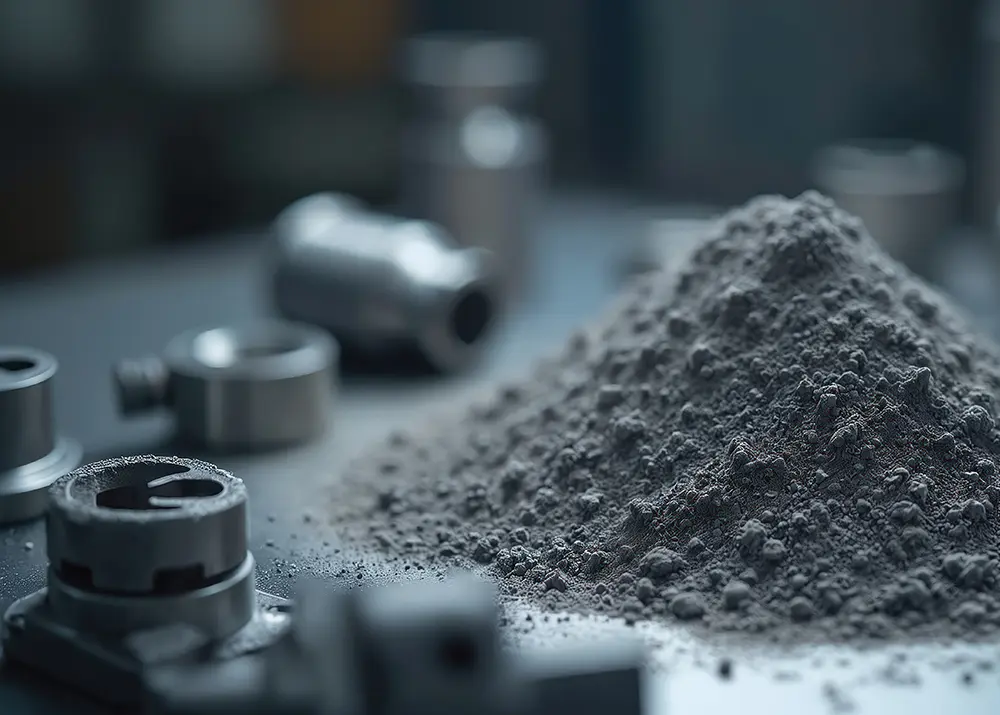
In the vibrant world of modern engineering, the lifecycle of metal powder tells a fascinating story of transformation. It begins with scrap collection and progresses through melting, atomization, quality evaluation, manufacturing, and finally returns to sustainable recycling. This journey not only supplies critical materials to industries such as automotive, aerospace, and medical, but also embodies the perfect fusion of innovation and environmental responsibility in today’s industrial landscape.
1. Melting
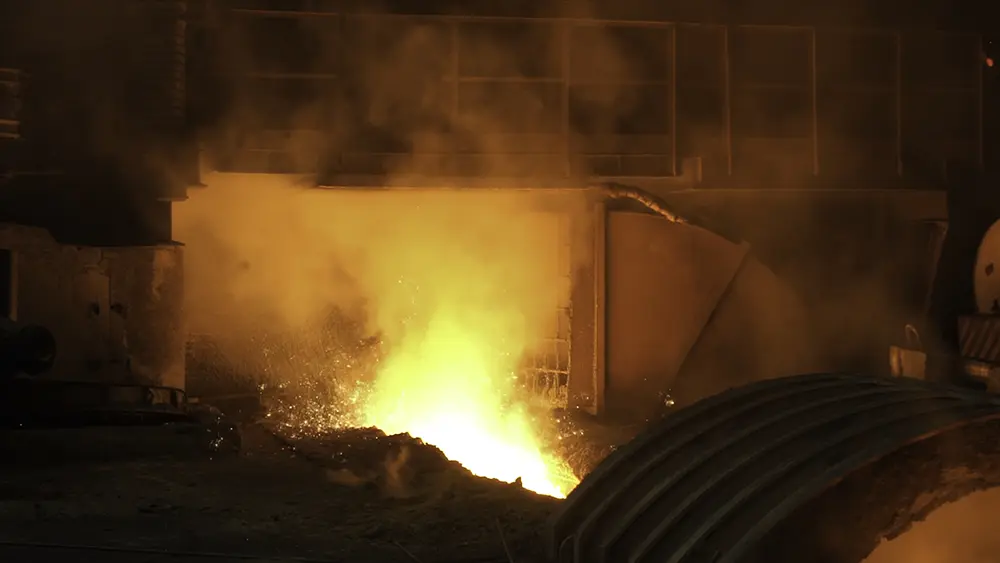
In advanced metallurgical processes, a wide variety of metal scrap is carefully collected, each piece holding the potential for rebirth. Through precise melting procedures, impurities are thoroughly removed, allowing the metal to undergo a fundamental transformation and laying a pure foundation for the subsequent powder production.
2. Atomization
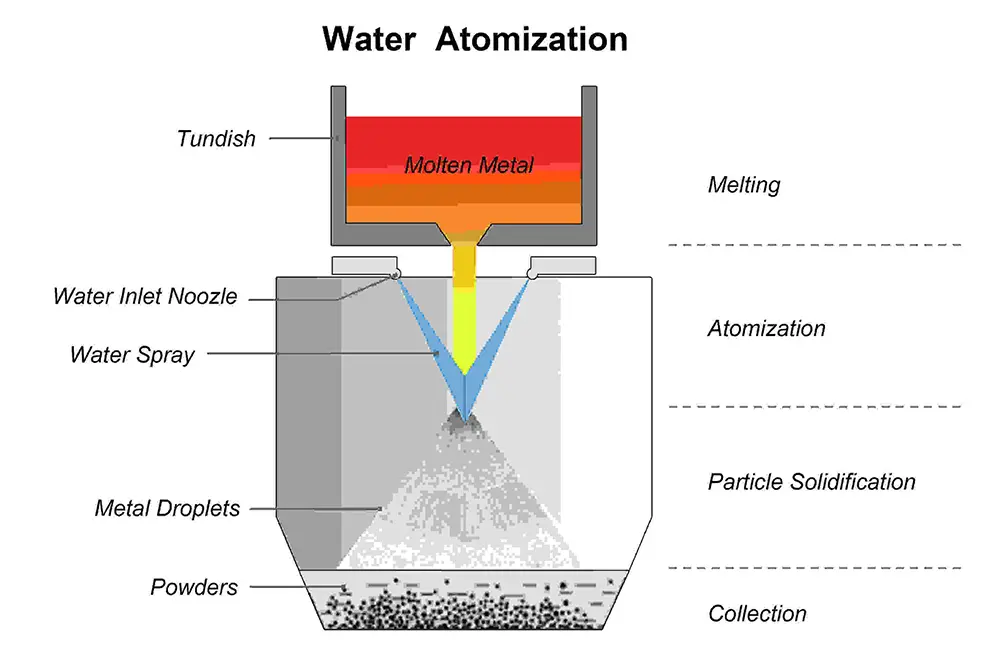
After melting, the molten metal enters the atomization stage. This critical process involves forcing the high-temperature molten metal through specialized nozzles at high speed, where it is broken into fine droplets by precisely controlled streams of gas or water. The result is the formation of metal particles ranging from 250 µm down to less than 25 µm in size. Water-atomized powders are subsequently dried and annealed in a hydrogen-rich environment to remove surface oxides formed during the atomization process. The resulting fine metal powder becomes a core raw material for numerous high-end industrial applications.
3. Rigorous Testing Standards
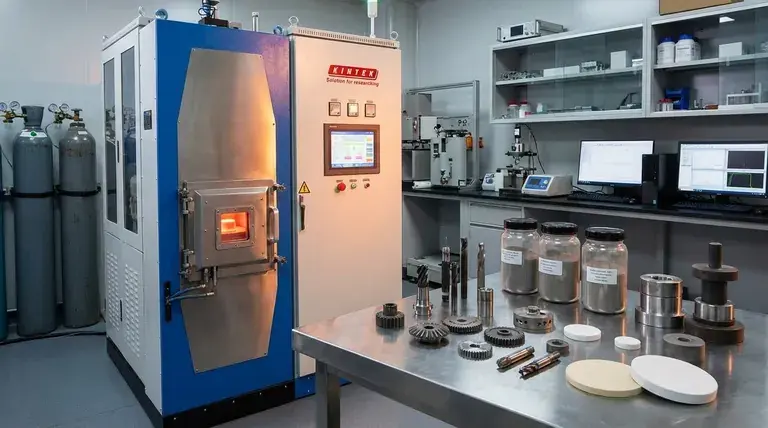
Before being put into use, the metal powder undergoes strict quality assessments. Key properties tested include chemical composition, particle size distribution, apparent density, flowability, and compressibility, ensuring full compliance with industry standards. This rigorous quality control not only guarantees the stability and performance of the metal powder but also ensures its compatibility with various advanced manufacturing processes.
4. Applications
Once certified and optimized, the metal powder moves into the manufacturing phase. Thanks to its excellent process adaptability, it can be seamlessly integrated into multiple advanced manufacturing technologies, including powder metallurgy compaction, 3D printing, direct energy deposition, and metal injection molding. With its superior performance, metal powder is widely used to produce critical components for automobiles, aerospace structures, medical devices, and many other products. In recent years, it has also made significant progress in the fields of magnetic materials and electrification, becoming an important enabler of emerging technologies.
5. Recycling & Sustainability
When a product reaches the end of its service life, the metal powder enters the sustainable recycling phase. End-of-life parts are collected as metal scrap and reintroduced into the melting process, completing a closed-loop cycle. This circular economy model effectively reduces resource waste and environmental impact, fully demonstrating the modern industry’s commitment to sustainable development.
